Water Quality in Northern Renfrew County Shield Wells
The hard Canadian Shield granite underlying Deep River, Chalk River, and northern Renfrew County is not only challenging to drill through — it also influences water quality. Groundwater in this region picks up minerals and elements from the surrounding bedrock as it flows through fractures and fissures. Because the geology varies significantly across the area, water quality can differ greatly between properties even just a few hundred metres apart.
The most notable water quality concern in the Deep River and Chalk River area is radon. The uranium-bearing minerals present in the Grenville Province granite can release radon gas, which dissolves into groundwater. When water is used in the home — particularly through showering, washing, or other activities that release water vapour — radon gas can accumulate in indoor air. Testing for radon in well water is strongly recommended for properties in this region.
Additional common water quality issues in northern Renfrew County include iron and manganese (which cause staining and taste issues), hardness (calcium and magnesium), and occasionally arsenic. Regular testing is the only way to know what is in your well water and whether treatment is needed.
Recommended Testing Schedule
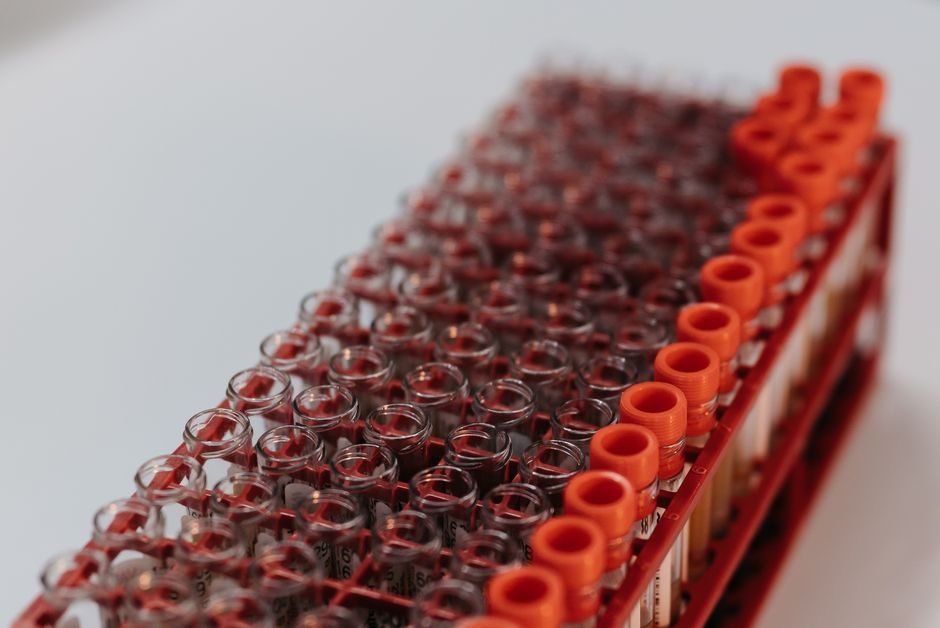
Ontario's Ministry of the Environment, Conservation and Parks (MECP) recommends the following testing schedule for private well owners:
| Test Type | Frequency | What It Detects | Approx. Cost (CAD) |
|---|---|---|---|
| Bacteriological | At least 2–3 times per year | Coliform bacteria, E. coli | $25 – $80 |
| Basic chemical panel | Every 2 years | Nitrate, nitrite, chloride, fluoride, sodium, iron, manganese, hardness, pH | $100 – $250 |
| Full metals panel | Every 3–5 years | Arsenic, lead, uranium, copper, zinc, selenium, cadmium, chromium | $200 – $450 |
| Radon in water | Once, then re-test after treatment | Radon gas dissolved in water | $100 – $200 |
| Additional testing | After any changes to well or plumbing | Depends on concern | Varies |
Testing should also be performed after any well repair, after flooding near the wellhead, if the water changes colour or taste, or at the first sign of illness among household members that could be water-related.
For property owners seeking their well construction and water quality history, search the Ontario Well Record archive for records on file.
Common Water Quality Issues in Northern Renfrew County
Radon
Radon is a colourless, odourless radioactive gas produced by the natural decay of uranium in bedrock. The Grenville Province granite of the Deep River and Chalk River area contains uranium-bearing minerals, making radon testing a priority for private well owners in this region. Long-term inhalation of radon gas is a known health concern. Well water can be a source of indoor radon when radon off-gases from water used in the home.
Radon in well water can be treated with aeration systems or granular activated carbon (GAC) filtration. Aeration is generally more effective for high radon levels. Radon testing should be done by an accredited lab using proper sampling protocols.
Iron and Manganese
Iron and manganese are naturally present in many Shield granite wells in northern Renfrew County. Iron causes reddish-brown staining on laundry, sinks, and fixtures, while manganese causes black staining and a metallic taste. At elevated levels, these minerals can clog pipes, reduce water flow, and promote iron bacteria growth in the well system.
Iron and manganese are typically treated with oxidation filters, water softeners, or aeration followed by filtration. An iron filter is often the first recommendation for Deep River area well owners with visible staining.
Hardness
Water hardness in northern Renfrew County varies depending on the local geology but is generally moderate. Hard water causes scale buildup in pipes, water heaters, and on fixtures. Water softeners are the standard treatment and are effective at removing calcium and magnesium that cause hardness.
Arsenic
Arsenic occurs naturally in some Canadian Shield granites and can occasionally be found in wells in the Madawaska Highlands and northern Renfrew County. Arsenic testing requires a specialized laboratory analysis. Treatment options include reverse osmosis, anion exchange, and adsorption media.
Treatment System Options
Once water testing identifies contaminants, treatment systems can be selected based on the specific water quality issues present. Here are the most common treatment systems for Renfrew County well owners:
| Treatment System | Best For | Typical Cost Range (CAD) |
|---|---|---|
| UV disinfection | Bacteria, viruses (point-of-entry treatment) | $800 – $2,000 |
| Iron filter (oxidation) | Iron, manganese, hydrogen sulphide | $1,200 – $3,500 |
| Water softener | Hardness (calcium, magnesium) | $600 – $2,500 |
| Reverse osmosis (point-of-use) | Multiple contaminants including arsenic, nitrate | $300 – $1,500 |
| Radon aeration system | High radon levels in well water | $1,500 – $4,000 |
| GAC filtration (radon) | Lower radon levels in well water | $500 – $1,500 |
| Sediment filter | Sand, silt, and particulate matter | $200 – $600 |
Many Deep River area residential properties benefit from a combination of treatment systems — such as a sediment pre-filter followed by an iron filter and UV disinfection. A water treatment professional should design a system based on your specific test results.
Why Testing Matters in the Chalk River and Deep River Area
The uranium-bearing geology of the Deep River and Chalk River region makes water testing particularly important. While radon is the most notable concern, the same geological conditions can produce elevated levels of other parameters. Testing provides the only reliable way to know what is in your water and whether treatment is necessary.
For new wells, the contractor typically performs an initial water quality test as part of the Well Record process. However, this initial test is limited in scope — it does not include radon, metals, or the full range of potential contaminants. Property owners should arrange comprehensive testing independently through an accredited laboratory.
Free Bacteriological Testing
The Ontario government offers free bacteriological testing for private well owners through Public Health Ontario labs. Samples can be submitted at participating public health offices and local service providers. Testing covers total coliform and E. coli — the first line of defence for well water safety. Call the local Renfrew County health unit for sample bottle pickup locations.
Related Information
Seasonal Maintenance
Four-season well maintenance including spring testing after snowmelt — the highest contamination risk period.
Read GuideRegulations
Ontario Regulation 903 water quality testing requirements and Well Record filing rules.
Read Guide