Drilling in the Canadian Shield Granite of Northern Renfrew County
The Deep River and Chalk River area sits on the Grenville Province of the Canadian Shield, composed primarily of hard Precambrian granite, gneiss, and diorite. These rocks are among the most resilient geological formations in Ontario, and they present specific challenges for residential well drilling. Unlike southern Ontario where wells may be drilled into softer sedimentary rock or overburden aquifers, northern Renfrew County wells must penetrate and draw water from fractured bedrock.
The standard drilling method for this geology is rotary percussion drilling (also called air rotary or down-the-hole hammer drilling). This technique uses a pneumatic hammer drill bit that pounds and rotates into the rock while compressed air blows the rock cuttings to the surface. The air also lifts any groundwater encountered, allowing the driller to monitor yield in real time.
Typical residential well depths in the Deep River area range from 80 to 200 feet, though some properties require drilling to 250 feet or more to reach adequate fractures. The rate of penetration in hard Shield granite can be significantly slower than in other rock types — some of the hardest granitic zones near the CNL site can reduce drilling speed considerably, which increases cost.
Drilling rates in northern Renfrew County typically range from $30 to $55 per foot, with the hard granite of the Deep River and Chalk River area at the upper end of that range. Mobilization fees apply separately and are higher for remote properties in Rolphton, Mackey, or Stonecliffe where contractors must travel from Pembroke or Petawawa.
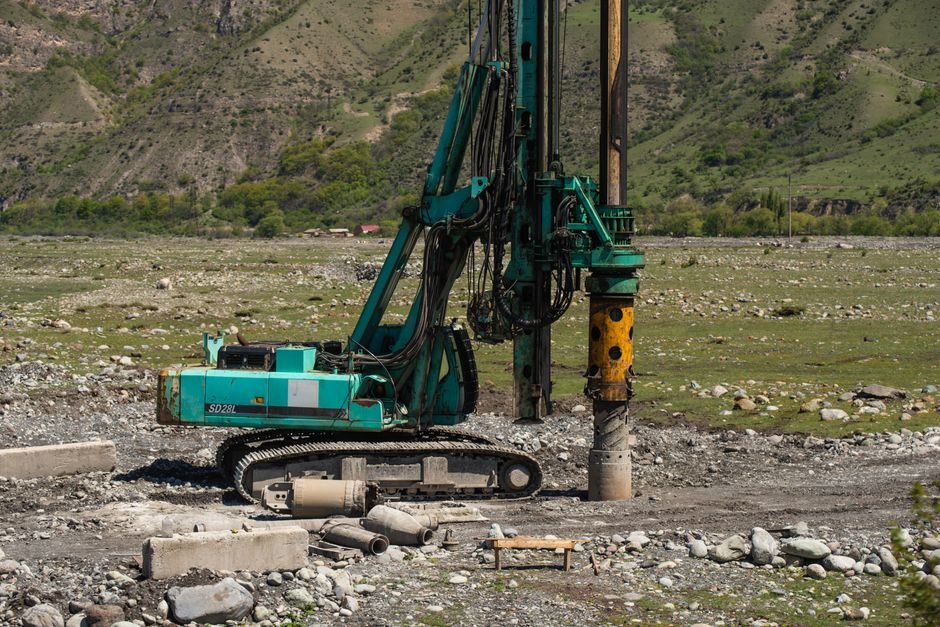
Step-by-Step Well Drilling Process
Understanding the well drilling process helps property owners know what to expect on installation day. Here is the typical sequence for a residential drilled well in northern Renfrew County:
- Site assessment and layout: The drilling contractor visits the property to identify the best drilling location based on setbacks, access for the drill rig, and property constraints. Existing Well Records for neighbouring properties are reviewed if available.
- Mobilization and rig setup: The drill rig arrives and is positioned. Setup involves leveling the rig, attaching the drill string and bit, and connecting air compressors. This takes 30–60 minutes.
- Drilling through overburden: The drill first penetrates topsoil, sand, gravel, or clay (overburden) above the bedrock. Overburden depth varies across the Deep River area — in the Ottawa River valley it can be 20–50 feet deep; on Shield outcroppings it may be minimal.
- Setting steel casing: Once bedrock is reached, steel casing is driven or placed through the overburden and grouted into the bedrock to prevent surface contamination. This is a critical step under Ontario Regulation 903.
- Drilling into bedrock: The drill continues into the granite bedrock using the rotary percussion method. The driller monitors rock type, fracture zones, water inflow, and drilling speed.
- Well development: After reaching target depth, the well is air-surged or bailed to clear drilling debris and open fractures. Yield testing measures the flow rate in imperial gallons per minute (gpm).
- Well shocking: The well is disinfected with chlorine solution to kill any bacteria introduced during drilling.
- Installing wellhead cap: A vermin-proof sanitary well cap is installed to prevent surface water and debris from entering the well.
- Installing pump and controls: Once the well is completed and tested, the pump, drop pipe, wiring, and pressure tank are installed.
- Filing the Well Record: The contractor completes and submits the Well Record to the MECP within 30 days of completion. Property owners should request a copy for their records.
Casing Types for Deep River Area Wells
Casing protects the well from surface contamination and prevents the overburden from collapsing into the borehole. In northern Renfrew County, several casing types are used depending on geology and depth:
| Casing Type | Typical Use | Cost Range (CAD) | Notes |
|---|---|---|---|
| Steel (6-inch, Schedule 40) | Standard residential wells in bedrock | $1,200 – $3,500 | Bonded, grouted; meets Ontario Regulation 903 requirements |
| Steel (6-inch, Schedule 80) | Deep or difficult overburden conditions | $2,000 – $4,500 | Heavier wall; more resistant to crushing from overburden pressure |
| PVC (6-inch) | Alternative to steel in some conditions | $800 – $2,000 | Less expensive; requires careful installation; check contractor preference |
Steel casing is the most common choice in the Deep River and northern Renfrew County area due to the hard overburden conditions and the need for secure grouting. The casing must extend at least 5 feet into bedrock (or as required by Regulation 903) to prevent surface water infiltration.
Hydrofracturing: When Yield Is Low
In areas of very hard, unfractured granite — which occurs in parts of the Deep River and Chalk River vicinity — a completed well may have inadequate yield. Hydrofracturing (also called hydrofracking) is a technique where high-pressure water is injected into the bedrock to open existing fractures or create new ones, improving water flow to the well.
Hydrofracturing costs $1,000–$3,000 and is not guaranteed to succeed. It is most effective in granite bedrock with existing small fractures that can be enlarged. Properties in the Madawaska Highlands or on granite outcroppings near Deep River are most likely to benefit from this treatment. The decision to hydrofrack should be made in consultation with your drilling contractor based on the geological conditions encountered.
Drilling Approaches Comparison
Different drilling methods exist, but in northern Renfrew County's hard Shield geology, rotary percussion is the standard. Here is a comparison of approaches:
| Method | Best For | Depth Capability | Renfrew County Suitability |
|---|---|---|---|
| Rotary Percussion (Air Hammer) | Hard bedrock — granite, gneiss, diorite | 500+ feet | Excellent — standard method for Deep River area Shield granite |
| Rotary (Tri-cone Bit) | Softer sedimentary rock, large-diameter wells | 1,000+ feet | Less common; used where overburden is deep or for special applications |
| Cable Tool (Percussion) | Unconsolidated formations; shallow wells | 200 feet | Rarely used in northern Renfrew County — slow in hard granite |
Before You Drill: Key Considerations
Check the Ontario Well Record database for nearby properties to understand typical depths and yields in your area. Review setback requirements — your well must be at least 15 metres from septic tanks and 30 metres from septic beds. Discuss the drilling location with your contractor to ensure good access for the drill rig. Budget at least 15–25% above the estimate for depth uncertainty.
Related Information
Cost Guide
Full breakdown of all cost components for a new residential well in northern Renfrew County.
Read GuidePumps & Pressure Tanks
Submersible vs jet pumps and pressure tank sizing for deep Shield granite wells.
Read GuideRegulations
Ontario Regulation 903 requirements for casing, setbacks, and Well Record filing.
Read Guide